
About ERN
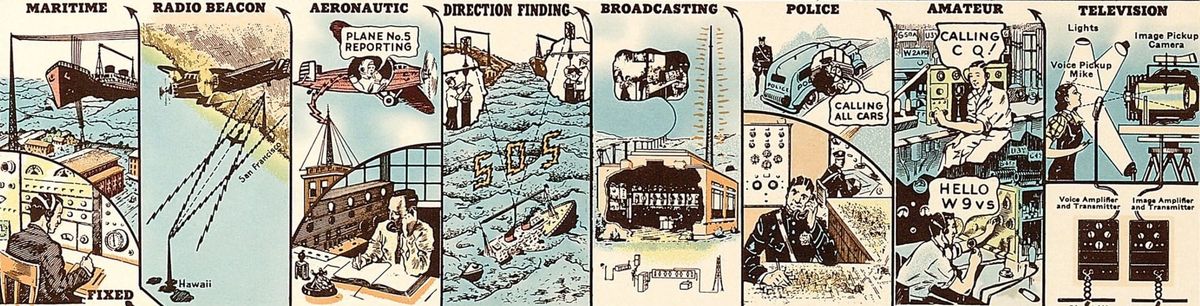
Experimental Radio News highlights experiments of special interest, licensed by the U.S. Federal Communications Commission (FCC). These are stations in the Experimental Radio Service, granted Special Temporary Authorization, or licensed in one of the space services.
ERN reviews large numbers of such licenses and chooses a handful of standouts for each issue. These include startups, research and educational projects, product development and demonstrations. Topics include consumer electronics, satellites, autonomous systems, high-frequency stations, security systems, energy related ventures and mobile communications on land, sea or in the air.
ERN broke the story about the FCC walking back its long-held policy that exempted high-power experimental stations from station identification.
Many experimental licenses are Wi-Fi related, GPS, vehicle radar, event production or defense contracts. ERN does not usually cover these routine items.
Isn't this material confidential?
An applicant may ask the FCC to withhold sensitive content from public inspection. Sometimes the FCC exposes this material anyway.
ERN uses open-source methods to derive meaningful data from public sources and other material in the applicant's file.
Some experiments use intellectual property for which patent protection is sought. The U.S. Patent and Trademark Office keeps patent applications confidential until it issues the patents. ERN is often the only public exposure of such applicants.
Why the callsigns?
A callsign enables the reader to investigate a license further. It confirms that a license was issued, that the licensee is expected to conduct experiments and has made legal promises to the government. The FCC will sometimes issue a callsign while the license is still pending.
Where are issues 1 and 2?
ERN 1 and 2 were published on another platform and no longer available.
About the editor
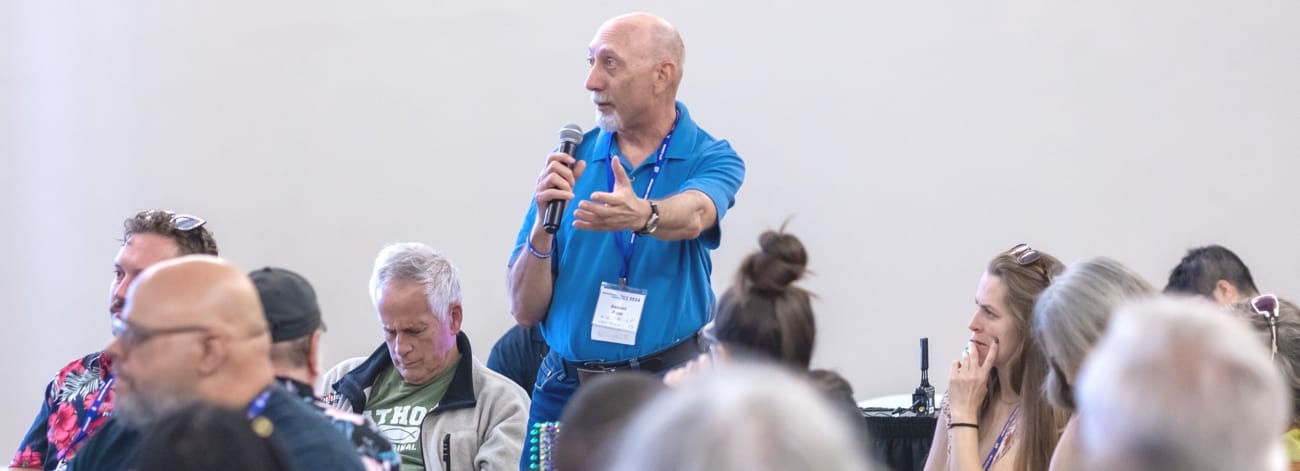
As a reporter, editor and publisher, Bennett Kobb has covered technology news for more than 40 years. He holds a M.S. in telecommunications from the University of Colorado. Bennett is a Fellow of the Radio Club of America and a Senior Member and Life Member of the Institute of Electrical and Electronics Engineers (IEEE).
His prior roles have included positions at the National Science Foundation, the Telecommunications Industry Association, Public Technology Institute and the Integrated Public Alert & Warning System (IPAWS) at the Federal Emergency Management Agency (FEMA).
Free subscription
Subscribe to ERN for free. Unsubscribe at any time. The newsletter is published as time permits.
No passwords
ERN uses the Ghost platform which does not need passwords. It will email you the newsletter. As a subscriber, to read ERN on this website, sign in with your email address. Ghost will send you a link to the full site and a one-time code.
Your address is used only to send the newsletter and give you access to the site. The RSS feed is at this link.
Thank you for reading and sharing ERN with others. Reader support helps keep the news coming. 😋
Experimental Radio News is ©2019–2026, Bennett Z. Kobb.